Honoring Pakele, the last known wild ʻakikiki
This week, Kauaʻi came together to honor the life and legacy of Pakele, the last known wild ʻakikiki.
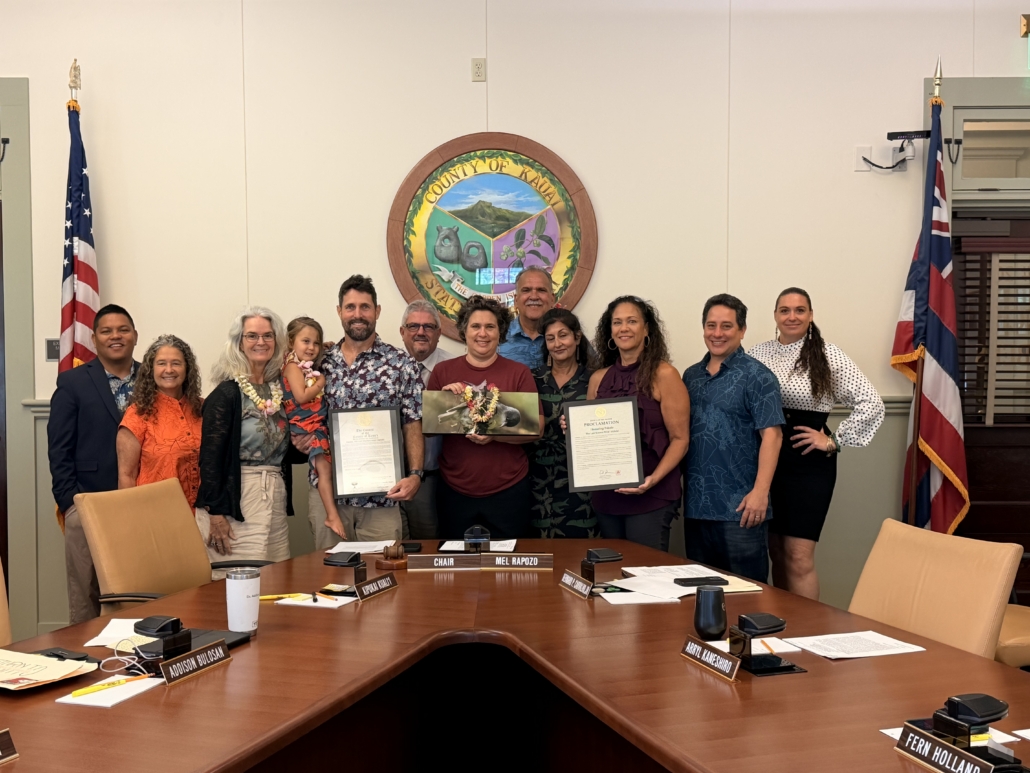
Mayor Derek Kawakami issued a proclamation honoring Pakele and her legacy, while the Kauaʻi County Council presented a special certificate recognizing Pakele and the conservation efforts to save the ʻakikiki.
The recognition comes as we mark one year since Pakele was last seen in the wild.
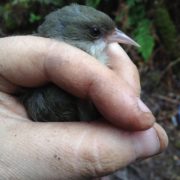
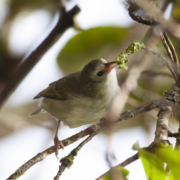
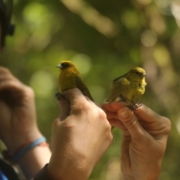
Pakele was likely born in the spring of 2019, in a mossy nest high in an ʻōhiʻa lehua tree. Field biologists first met her as a young female in 2020, quietly sitting on a nest of two eggs. Remarkably, she was the first—and only—ʻakikiki ever documented breeding outside the normal nesting season.
That determination to bring more ʻakikiki into the world continued throughout her life. Biologists documented 13 nesting attempts by Pakele, more than any other known ʻakikiki. She was also the only ʻakikiki known to successfully fledge three nests in a single year, producing six young.
But Pakele lived through an extraordinarily difficult time for her species. As invasive mosquitoes carrying avian malaria spread into the high-elevation forests of the Alakaʻi, the ʻakikiki population declined rapidly around her.
Pakele lost her longtime mate in 2023. She later paired with a younger male, and two of their young became part of the conservation breeding population. After her second mate disappeared, Pakele was alone—but she continued on.
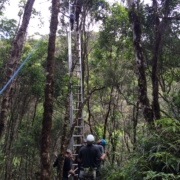
On August 29, 2025, three field biologists spent a quiet afternoon with Pakele as she flew up and down her valley. They could not have known that it may have been the last known sighting of a wild ʻakikiki.
One year later, we remember her.
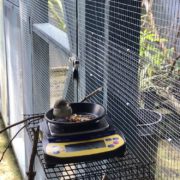
Today, four of Pakele’s offspring survive in conservation breeding care, part of a larger population living safely in protected aviaries. Her descendants may one day help return ʻakikiki to the mountain forests of Kauaʻi.
We are deeply grateful to Mayor Kawakami and the Kauaʻi County Council for honoring Pakele and recognizing what her story means for Kauaʻi.
We also recognize the many people and organizations who have worked for years to prevent the loss of ʻakikiki and build a future for the species, including the Hawaiʻi Division of Forestry and Wildlife, U.S. Fish and Wildlife Service, The Nature Conservancy, American Bird Conservancy, and San Diego Zoo Wildlife Alliance.
Pakele was one small bird, but her persistence left an extraordinary legacy.
May her descendants someday return home

 Mitch Walters